Solar Education Hub

Empower yourself with knowledge before making your solar investment decision

Myths Solar Myths vs Facts

Myth: Solar doesn't work in cloudy weather

Fact: Solar panels generate electricity even on cloudy days, though at reduced capacity.

Myth: Solar systems require constant maintenance

Fact: Solar systems are virtually maintenance-free, requiring only occasional cleaning.

Myth: All solar panels are the same

Fact: Panel efficiency, warranty, and degradation rates vary significantly by brand and technology.

Net Metering Net Metering Explained

Net metering allows you to send excess solar electricity back to the grid and receive credits on your bill.

1

During sunny days, your solar system generates more power than you uses

2

Excess electricity is exported to the grid, earning you credits

3

At night or during low generation, you use grid power offset by your credits

Common Solar Mistakes

  • Choosing lowest price without quality verification
  • Oversizing or undersizing the system
  • Ignoring warranty terms and after-sales service
  • Not verifying vendor credentials and track record
  • Skipping subsidy benefits due to lack of guidance

TrueWatt Tip: Avoid these pitfalls by getting expert advisory before committing to any vendor.

Checklist Solar Buying Checklist

  • Get at least 3 quotes from different vendors
  • Verify component brands and certifications
  • Check vendor track record and references
  • Understand warranty coverage clearly
  • Confirm subsidy eligibility and process
  • Review installation timeline and payment terms
  • Ensure proper documentation and net metering application

Get Expert Help with Your Checklist

The Evolution of
High-Performance Solar Cells

From Conventional Poly to Advanced N-Type HJT & TOPCon

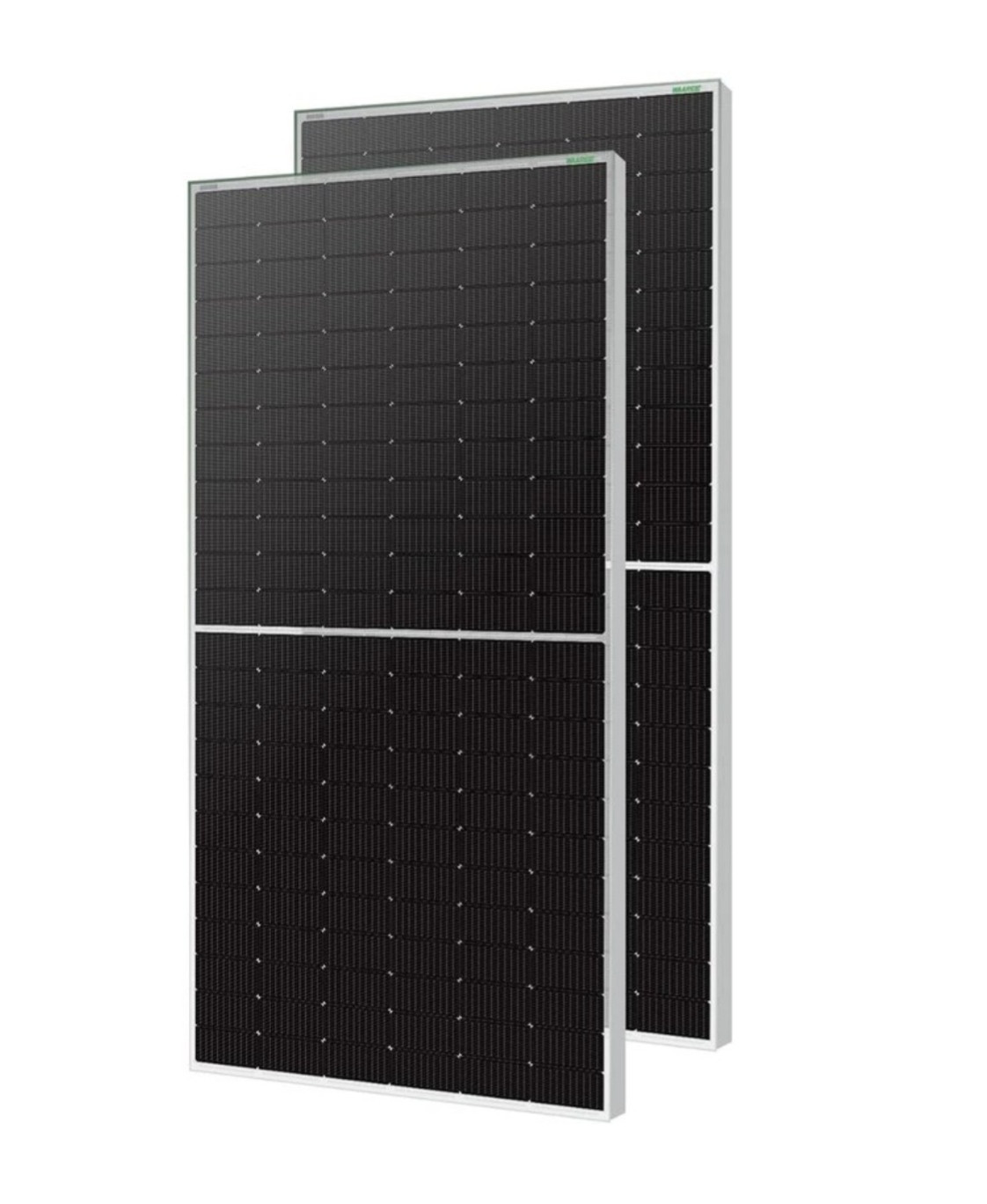
For MW-scale utility projects, selecting the right cell technology dictates the plant's entire financial lifecycle. While Poly was the industry standard, N-Type architectures (TOPCon and HJT) are redefining efficiency ceilings, delivering lower degradation, superior temperature coefficients, and higher energy yield per square meter, especially in complex environmental conditions.
Graphic
1

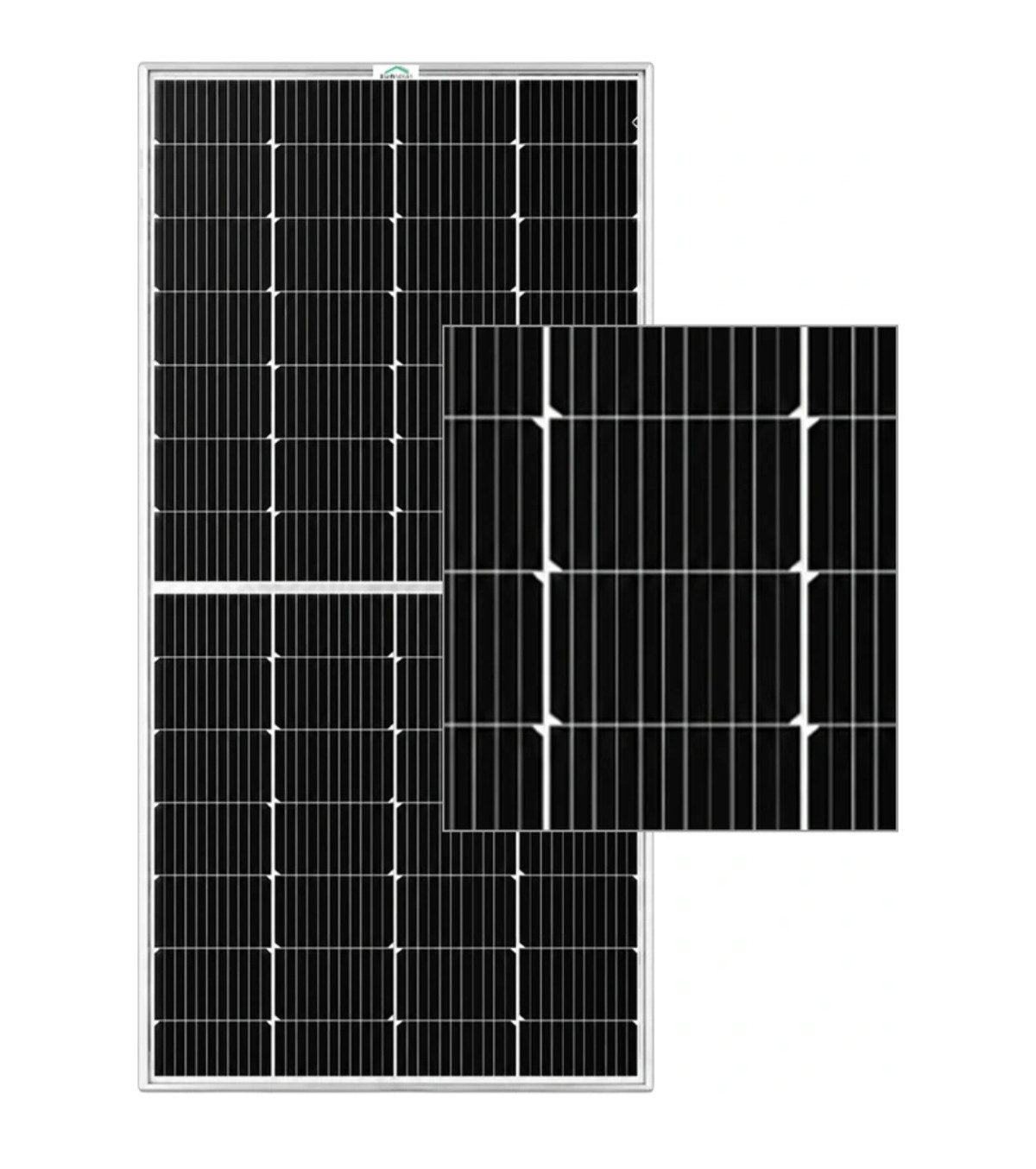
Polycrystalline

Silicon Wafers (Budget Option)
Panel
  • Lower Processing Cost
  • Lower Efficiency (17-18%)
  • Aluminum Frame
  • Encapsulant (EVA)
  • Backsheet
2

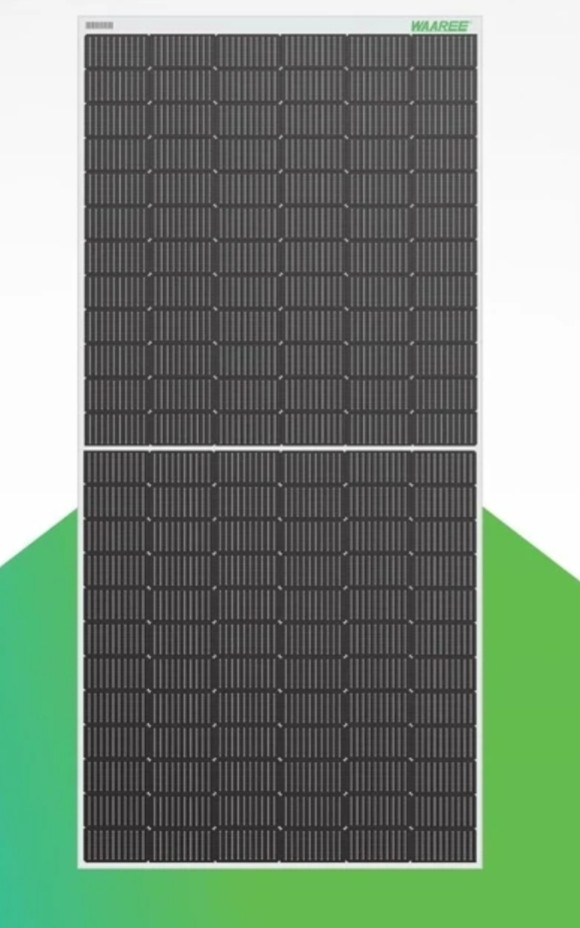
Monocrystalline

Pure-Crystal Wafers (Premium Option)
Panel
  • High Efficiency (20-22%)
  • Higher Degradation than Poly
  • Aluminum Frame
  • Encapsulant (EVA)
  • Backsheet
3

PERC Passivated Emitter

(Rear Contact) (Industry Standard)
Panel
  • Enhanced Photon Reflection
  • Higher Efficiency (22-23%)
  • Aluminum Frame
  • PERC Layer (On Rear Side)
  • Backsheet
4

TOPCon (N-Type)

(Ultra-High Efficiency)
Panel
  • N-Type Wafer (Superior Lifetime)
  • Tunneling Oxide (Minimal Loss)
  • Higer Efficiency (24-25%+)
  • Passivation
  • Backsheet
5

Bifacial (Dual-Side Harvesting)

Captures Albedo (Ground Reflected) Light
Panel
  • Captures Albedo (Ground Reflected) Light
  • Increased Overall Plant Yield
  • Aluminum Frame
  • Encapsulant (EVA)
  • Transparent Backsheet / Glass
6

HJT (Heterojunction)

(The Efficiency Ceiling)
Panel
  • Ultra-Low Temperature Coefficient
  • Symmetrical N-Type Structure
  • Superior Bifacial Factor
  • Efficiency (25%+) Zero LID
  • Backsheet

KEY PERFORMANCE ADVANTAGES

MAXIMIZE LONG-TERM YIELD

N-Type systems deliver significantly lower first-year and annual degradation, maximizing total energy output over the 25+ year plant lifecycle

LOWER OPERATIONS & O&M

Zero LID (Light Induced Degradation) in HJT/TOPCon cells reduces power loss and stabilizes O&M costs, ensuring predictable financial models.

GRID-SCALE STABILITY & ROI

Superior temperature coefficients in HJT/TOPCon allow optimal power output even in high heat, securing long-term utility-scale financial performance.

Service Title

Detailed description of the solar advisory service...

Speak to a Solar Advisor